How to Buy Your First Investment Property in Daly City
October 3, 2026
Market Update
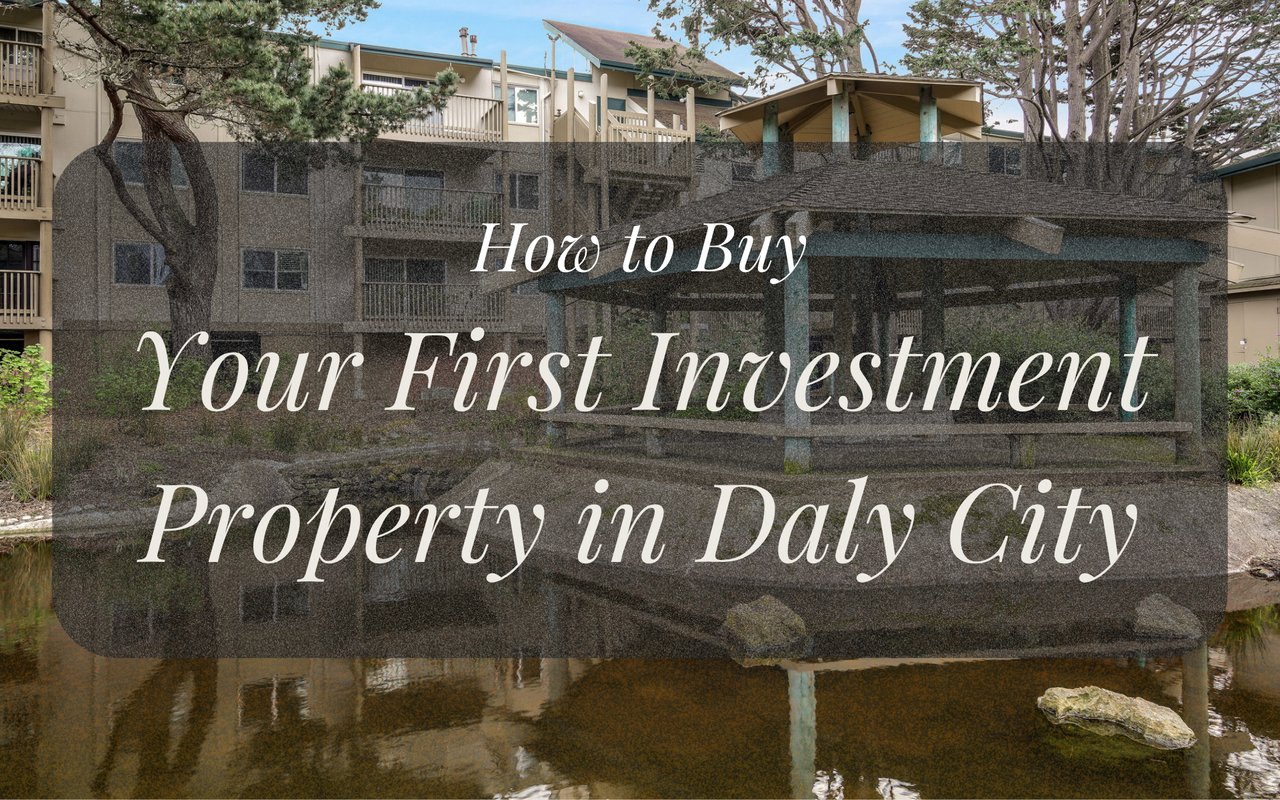
October 3, 2026
Market Update
I get this question a lot, usually over coffee or at the end of a showing: "Is Daly City a good place to buy my first investment property?"
My answer is always the same. It can be, but only if you go in with the right strategy. I've been selling homes across the Bay Area since 2017, and the investors who do well here aren't the ones chasing a quick Airbnb win. They know the local rules, they run conservative numbers, and they have a clear plan for how the property makes them money.
So here's the process I walk my investor clients through, step by step.
Before we look at a single listing, I want to know what "return" means to you. There are three main paths:
This matters a lot in Daly City. Home prices are high compared to rents, so getting cash flow right away is hard. Most of my successful investor clients here lean on appreciation, house hacking, or a mix of both.
This is the part people skip, and it's the most important one.
Here's a quick snapshot. Zillow puts the typical Daly City home value at about $1,137,000 as of July 2026, up 2.4% over the past year (Zillow Home Value Index). Zillow's rental data shows a typical 3-bedroom renting for around $4,800/month (Zillow Rental Market Trends).
Now let's play it out with a hypothetical example:
That's roughly $7,000/month in costs against $4,800 in rent. On paper, that's negative cash flow.
I'm not showing you this to scare you off. I want you to see the real picture, because a lot of online advice is built around cheaper markets. In Daly City, the math usually works when you:
Investment property tip: Always calculate your cash-on-cash return (yearly cash flow divided by the cash you put in) and your cap rate (net operating income divided by purchase price). Your lender and I can help you stress-test at different rates and rents.
If your plan is to buy a Daly City house and run it full-time as an Airbnb, stop here. The city doesn't allow that.
Under Daly City's Short-Term Rental rules:
So Airbnb can work in Daly City, but as a house hack in the home you live in, not as a standalone investment. I'd much rather you know that before you buy than after.
Daly City doesn't have its own rent control ordinance (RentCheckMe), but California's statewide Tenant Protection Act (AB 1482) applies to many rentals (California Legislative Information). Here's what it means in plain terms:
This is where many new landlords make mistakes. Get the notice language right from day one, and talk to a real estate attorney if you're unsure. Local rules can also change, so it's worth checking with the city before you sign a lease.
This is one of my favorite strategies in Daly City. Many of our homes, especially classic Westlake-style houses, have a ground floor that can be converted into a separate living space. The city's own guide says that "the typical configuration of many Daly City houses lends itself to the construction of an accessory dwelling unit (ADU) in the lower level" (Daly City ADU Guide).
A few things to know:
When I tour properties with investors, I'm always checking for a separate entrance, ceiling height, and how easy it would be to add a bathroom downstairs. That's where a lot of the long-term value is.
Investment property loans work differently from primary home loans. Expect:
If you're buying your first property and plan to live in part of it, owner-occupied financing can open up lower down payment options. That's one more reason house hacking is such a popular first move here.
Before you close, have these people in your corner:
And think about the end game. Are you holding for 10 years? Planning to refinance? Trading up through a 1031 exchange later? Knowing your exit shapes what you buy today.
Real estate investing in Daly City rewards patience and good planning. You're buying into a stable Bay Area market right next to San Francisco, with strong rental demand and real ADU upside. It's not a get-rich-quick market, and I think that's a good thing. The investors I've seen do well here bought smart, held on, and let time do most of the work.
If you're thinking about buying your first rental, house hacking, or adding an ADU, let's sit down together. I'll walk you through real numbers on real Daly City properties so you know exactly what you're getting into.
Reach out to me directly to book your investor consultation:
Email: [email protected]
Phone: 415.480.7738
This post is for general educational purposes only and isn't legal, tax, or financial advice. Market data and local rules change, so please confirm the current requirements with the City of Daly City and consult a licensed attorney, CPA, or lender before making investment decisions.
Stay up to date on the latest real estate trends.
October 3, 2026
A step-by-step guide to real estate investing in Daly City, from running the numbers to knowing what the local rules actually allow
September 26, 2026
How an inherited family home, rented for more than 20 years, found the right buyer at a price that worked for my seller
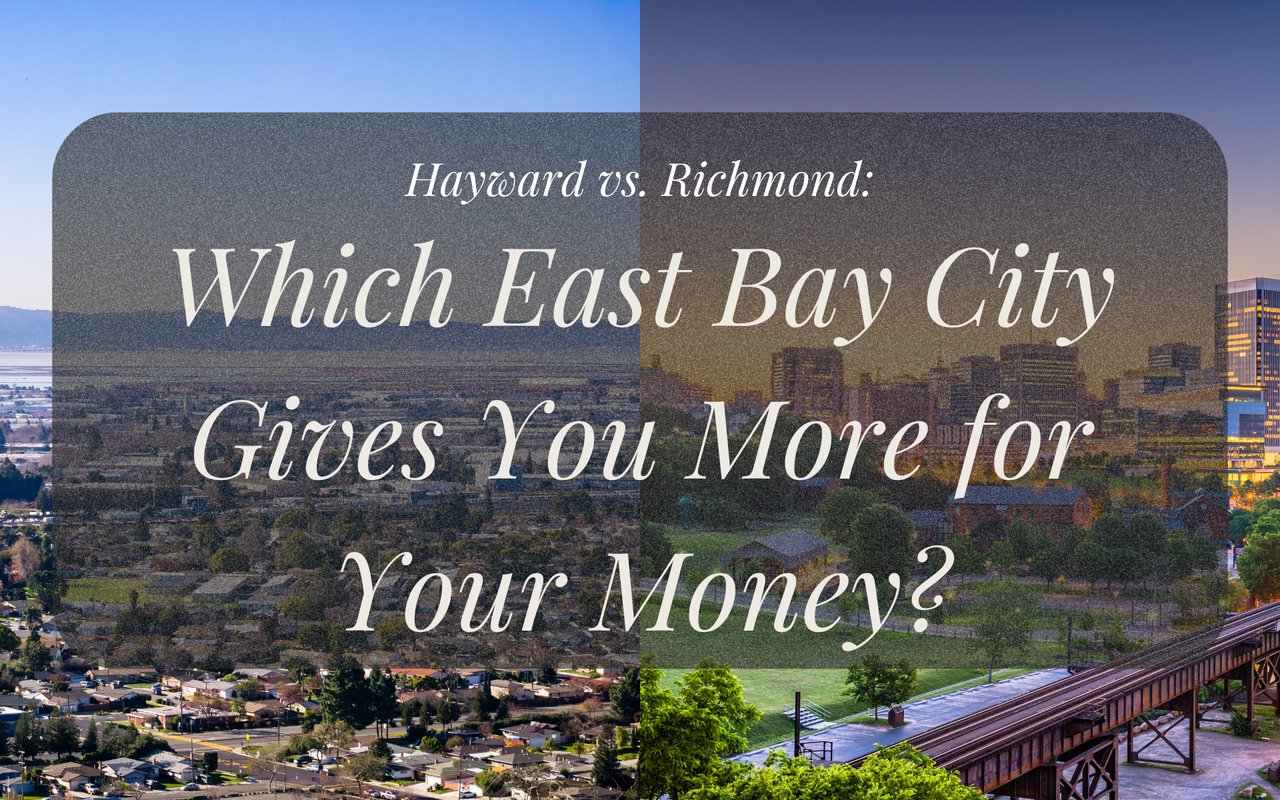
September 17, 2026
A side-by-side look at home prices, rent, taxes, utilities, schools, and everyday life in two popular East Bay alternatives to San Francisco and the Peninsula

September 12, 2026
A straight look at Peninsula pricing, rates, and seasonal timing as of September 2026, plus what I'd tell you if you were sitting across from me.
September 5, 2026
From the Millbrae Art & Wine Festival to Giants games at Oracle Park, this is the Bay Area I get to call home. A local's guide for anyone thinking about moving here.
August 29, 2026
The 20% down rule, the perfect credit score, the "right" time to buy. I've heard every one of these stop a buyer who was actually ready. Let's fix that.
August 20, 2026
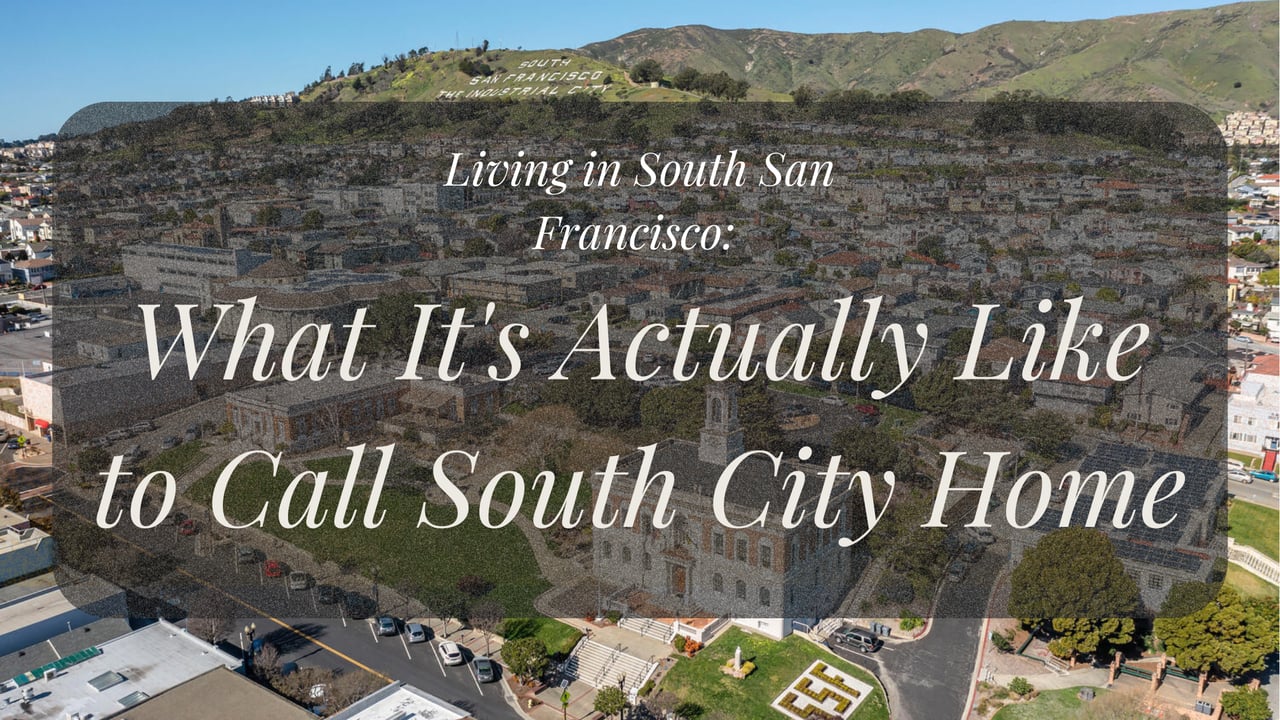
A local's guide to the neighborhoods, parks, food, and everyday life for buyers thinking about relocating to the Peninsula
August 12, 2026
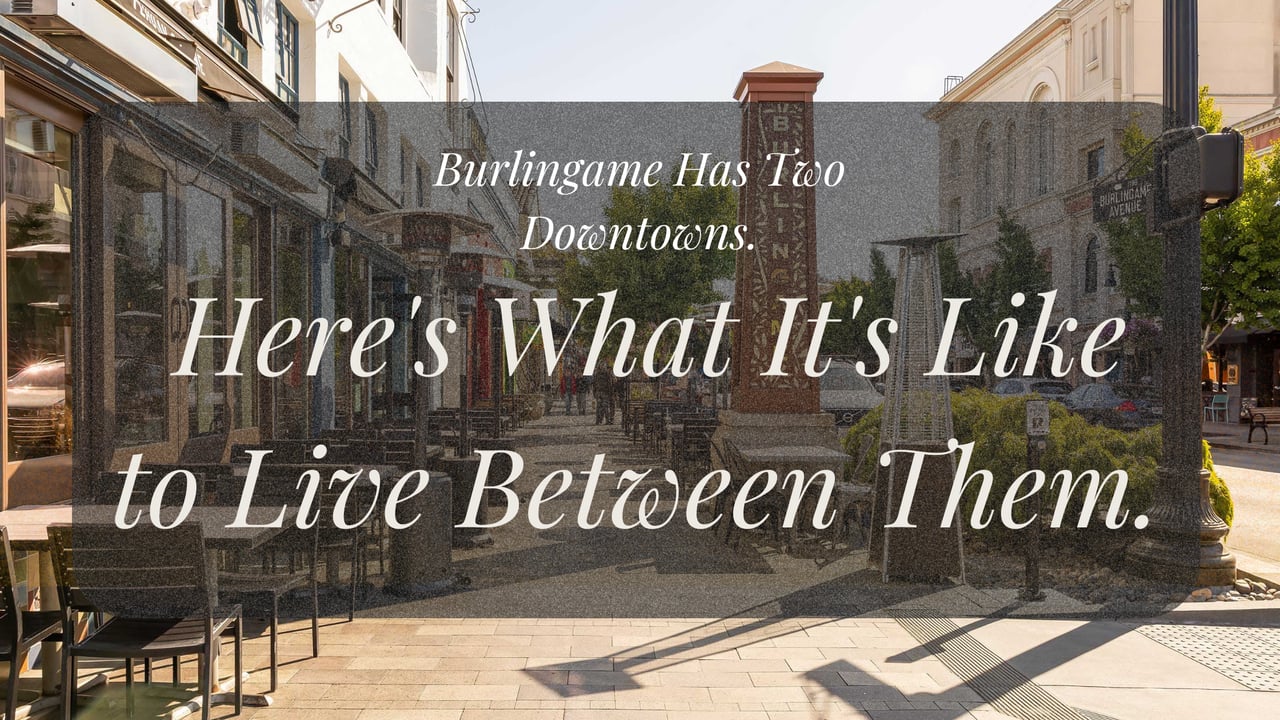
Mykonos, Society, and Salt and Straw sit on three different streets. A look at the town behind the tables.
August 7, 2026
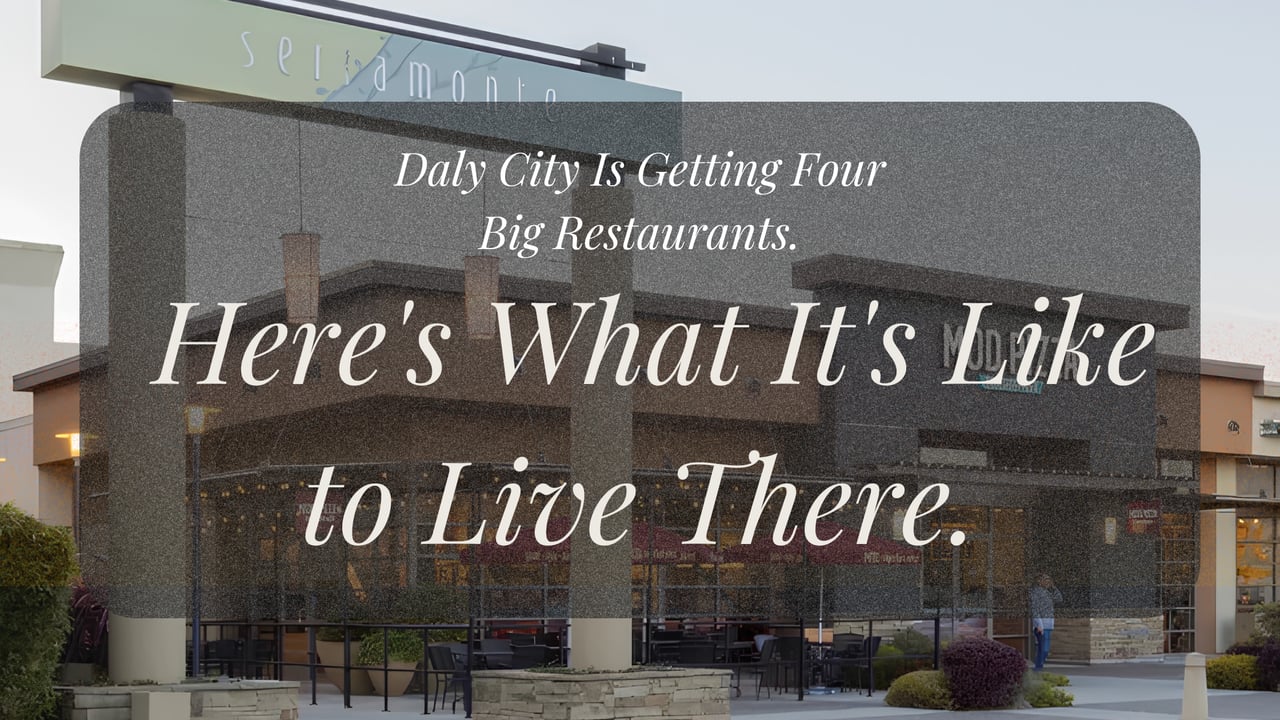
Koi Palace, Fogo de Chão, Marufuku Ramen, and Haidilao Hot Pot are headed to Serramonte Center. A look at the neighborhood behind the headlines.
You’ve got questions and we can’t wait to answer them.